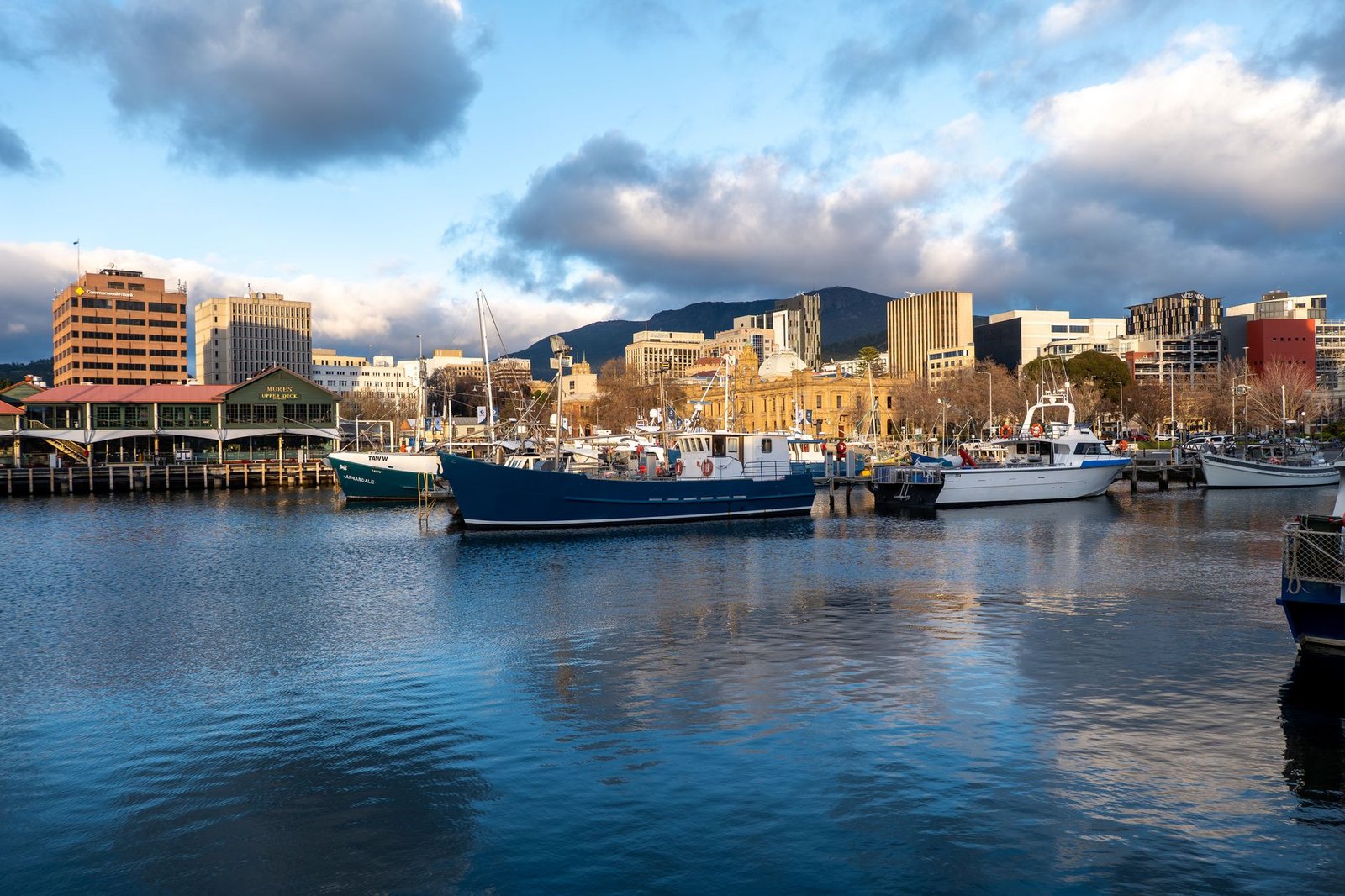
Tasmania has a reputation for clean, natural food that few Australian states can match, and Hobart is the front door to it. The island's cool, wet climate and huge areas of natural pasture make it some of the best grass-fed farming country in the country, and names like Cape Grim beef and Flinders Island lamb carry real weight on menus across the mainland. So it comes as a surprise to a lot of newcomers that Hobart itself is thin on dedicated organic butcher shops. The quality is everywhere; the standalone certified-organic butcher, less so.
That is the honest picture, and it shapes how you shop here. Rather than one specialist butcher counter, clean meat in Hobart runs through organic grocers that carry a meat range, the excellent Farm Gate Market for buying direct, and farm-gate shops just outside the city, all drawing on Tasmania's outstanding regional supply. This guide names the operators worth knowing, describes each one for what it actually is rather than dressing a grocer up as a butcher, and shows you how to check an organic claim before you hand over your money. If you would rather just start browsing, you can browse organic meat suppliers by location.
Where to buy organic meat in Hobart
Because there is no single dedicated organic butcher to point you to, the answer depends on how you like to shop: an organic grocer with a meat range, a farmers market for buying direct, or a farm-gate shop on the city's edge. Here are the operators worth knowing, with their public Google ratings as a rough guide to the experience rather than a meat score. Always confirm current hours, range and certification directly with the business before relying on them.
City Organics
A long-standing organic grocer on Criterion Street in the city, carrying grass-fed and free-range meat alongside its wholefoods and organic produce. A reliable first stop for an organic shop in central Hobart. Rated 4.6/5 from 76 reviews.
Milie Organics
A specialist organic store at Salamanca stocking a premium range of grass-fed, free-range and organic meat from producers with a genuine ethical-farming commitment. Small, well-curated and highly rated at 5/5 from 15 reviews.
Farm Gate Market
Hobart's much-loved Sunday farmers market on Bathurst Street, where pasture-raised meat and farm-fresh produce are sold direct by the people who grew them. About as close to the source as city shopping gets. Rated 4.6/5 from more than 1,790 reviews.
Scoop Wholefoods
A wholefoods store at Sandy Bay trusted for quality meat from farms that prioritise animal welfare and natural feeding, a genuine alternative to supermarket meat for the southern suburbs. Rated 4.6/5 from 31 reviews.
How we chose these: these are established, well-rated operators that clearly state organic, grass-fed or free-range sourcing. Note that most are organic grocers or a farmers market rather than dedicated butcher shops, so confirm exactly which products are certified organic and which are simply grass-fed or free-range. Hobart has more suppliers than any list can hold, and a great one near you may not appear here. Use the directory to find suppliers in your specific suburb.
Start with Hobart's organic grocers
With no single organic butcher anchoring the city, Hobart's organic grocers do much of the work. City Organics on Criterion Street is the most central, a genuine organic grocer carrying a grass-fed and free-range meat range alongside its produce and pantry lines, and an easy one-stop for an organic shop in town. At Salamanca, Milie Organics is a smaller, tightly curated organic store with a premium meat range and a perfect review record so far, well worth a look if you are down at the waterfront. Across at Sandy Bay, Scoop Wholefoods serves the southern suburbs with a quality meat selection framed around animal welfare and natural feeding.
One more city option worth a mention with a caveat: Natures Works on Collins Street stocks organic and free-range meat and seafood, though its public rating sits lower at 3/5 from 24 reviews, so it is one to judge for yourself. As with any grocer meat range, the selection is generally lighter than a dedicated butcher counter would offer, so it pays to call ahead if you want a specific cut.
Buy direct at the Farm Gate Market
If you do one thing for clean meat in Hobart, make it a Sunday morning at the Farm Gate Market on Bathurst Street. This is the city's genuine farm-direct option, a producer-run market where pasture-raised meat and farm-fresh produce are sold by the very people who grew them. Buying here gives you the shortest possible supply chain and the chance to ask a farmer directly how the animals were raised, what they were fed, and whether anything is certified, which is exactly the kind of transparency this directory exists to encourage. With well over 1,700 reviews behind its 4.6/5 rating, it is comfortably the most road-tested clean-meat destination in Hobart, and a genuine highlight of the city's food week.
Just east of the city at Cambridge, TAS Rural Supplies is a true farm-gate shop, offering grass-fed and free-range meat often cut and packed on site from its own livestock, with game options such as goat and rabbit. It is a short drive from central Hobart and a good port of call for anyone who values traceability and does not mind buying a little further out.
Grass-fed is not the same as organic. A great deal of excellent Tasmanian meat is grass-fed or free-range but not certified organic, and that is completely fine, just know what you are paying for. Grass-fed describes diet; certified organic is an audited standard covering feed, land and permitted treatments. In a city with few certified-organic butchers, that distinction is worth carrying in your head.
The real reason Hobart eats well: Tasmanian farming
The reason a shortage of organic butcher shops does not hold Hobart back is the sheer quality of what the island grows. Tasmania's cool, high-rainfall climate and abundant natural pasture make it some of the best grass-fed farming country in Australia, and the state is home to nationally significant clean-meat brands. Cape Grim beef, raised in the famously clean-aired northwest, is served in fine restaurants around the country. King Island and Flinders Island lamb and beef carry the same reputation from the Bass Strait islands, and the state has a strong line in free-range pork and chicken as well. For anyone shopping in Hobart, that regional strength is the quiet advantage: much of what the grocers and markets sell is genuinely local, grass-fed and traceable.
Tasmania is also a serious game-meat state. Up north at South Launceston, Lenah Game Meats of Tasmania is a dedicated butcher specialising in Tasmanian wallaby, venison and other game, one of the country's best-known clean game producers and worth knowing for anyone curious about lean, wild-harvested and free-range meat. It is a drive from Hobart, but it speaks to how deep the state's clean-meat culture runs beyond the capital.
The ways to buy, compared
Each route has trade-offs in price, convenience and how much you can verify. Here is how they stack up in Hobart and southern Tasmania.
| Option | Best for | Watch out for |
|---|---|---|
| Organic grocer | A convenient organic shop with a grass-fed and free-range meat range | Lighter meat selection than a butcher; confirm what is certified |
| Farmers market | Buying pasture-raised meat direct, with the grower to ask | Market days only; take cash and go early for the best stock |
| Farm-gate shop | Full traceability and often own-farm meat, good value | Out of the city centre; check open days and stock first |
| Regional producer or brand | Genuinely local grass-fed beef and lamb, restaurant quality | Often sold through grocers, markets or online rather than a shopfront |
How to verify an organic claim before you buy
This matters more in a city like Hobart, precisely because there is no single dedicated organic butcher whose whole business is built on certification. In Australia, "organic" is not a government-protected term for the domestic market, so the most reliable check is to look for a recognised certifier logo and certification number. Australian Certified Organic (ACO) and NASAA are the two you will see most often, and Demeter is the mark for biodynamic produce. Certified handlers must maintain a documented chain of custody from farm to counter, which is why a genuine organic supplier can tell you exactly where a cut came from, while a sign that simply reads "organic" tells you very little on its own.
If a label just says "organic" with no logo and no certifier reference, treat the claim as unverified and ask the shop or the stallholder directly. A lot of superb Tasmanian meat is honestly described as grass-fed or free-range rather than certified organic, and those are not the same thing, so it is worth knowing which you are buying. We go deep on how the system works in our explainer on what certified organic actually means for meat in Australia, and on the difference between organic, grass-fed, free-range and pasture-raised in our meat labels explained guide. Both are worth a read before your next shop.
Keeping organic meat affordable
There is no getting around it: certified organic and genuinely free-range meat costs more, because pasture-based farming is slower, certification adds overhead, and supply chains are smaller. The good news is there are sensible ways to manage it without giving up quality. Buying direct at the Farm Gate Market or a farm-gate shop such as TAS Rural Supplies usually brings the per-kilo price down compared with buying cut by cut in the city. Cheaper cuts, chuck, brisket, shanks and mince, deliver grass-fed quality at a fraction of the cost of premium steaks and reward the slow cooking that suits a Hobart winter. And many households simply eat meat a little less often, spending the same overall budget on better, more traceable product when they do.
The bottom line for Hobart shoppers
Hobart is proof that a city does not need a dedicated organic butcher to eat exceptionally well. Start with the organic grocers, City Organics in town, Milie Organics at Salamanca and Scoop Wholefoods at Sandy Bay, for a convenient clean-meat shop. Make the Farm Gate Market your farm-direct anchor and pair it with a farm-gate shop like TAS Rural Supplies at Cambridge when you want traceability and value. Lean on the sheer strength of Tasmanian grass-fed farming behind all of it, and remember the one discipline that pays off anywhere: look for the ACO, NASAA or Demeter logo, ask where the meat comes from, and use the directory when you want a supplier near you. In a state this good at raising animals, shopping well is more than achievable, even without a butcher's window to point at.